NAOS Esports Pauses Competitive Operations, Shifts Focus to Community and Youth Development
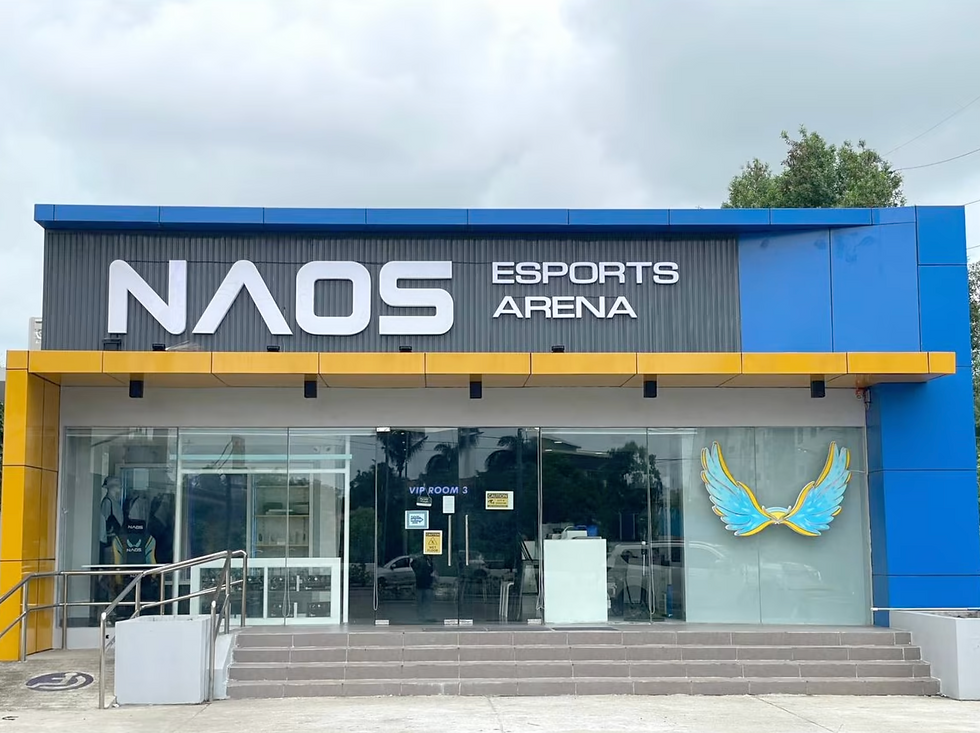
NAOS Esports has announced that it will suspend competitive operations effective July 3, 2026, marking a major strategic shift for one of the Philippines' most recognisable esports organisations. Rather than framing the move as a complete exit from the industry, NAOS is repositioning its focus toward NAOS Esports Arena and its wider community ecosystem — where the organisation says it plans to support grassroots initiatives and help develop the next generation of Filipino esports talent.
The decision effectively closes NAOS' current chapter as an active competitive organisation, but does not signal a departure from esports altogether. Founded in 2022 by Jappy "LEVI" Sia, NAOS built a four-year competitive track record that included appearances at VCT 2024 Ascension Pacific — where the team drew over 196,000 peak viewers — and accumulated nearly $60,000 in total tournament earnings across multiple titles. With the full roster now released — Mojer, PapiChulo, Secre, TAPHTAPH, Yukxx, and olifant all departed as of July 3 — the organisation appears to be moving away from roster-based competition entirely in order to invest more heavily in the infrastructure behind the scene.
NAOS Esports Pauses Competitive Operations: What the Announcement Actually Means
At first glance, the announcement reads like the end of an era. NAOS stated it would be "taking a break from the competitive scene" — language that frames the move as temporary. However, the simultaneous release of every player on the roster points to something more final than a standard offseason pause. This is not a case of a single roster being rebuilt or one underperforming division being cut. NAOS is stepping away from competitive esports as a whole, which makes the decision far more significant than a standard roster shuffle.
In an industry where changes happen almost weekly, a full competitive pause is a different kind of statement. It affects the organisation's public identity, its players and staff, and its place in the regional esports ecosystem. Within the Philippine scene, NAOS has been one of the most recognisable names in local esports, helping shape a competitive environment that thrives on both established organisations and ambitious grassroots projects. The departure of any such brand from active competition inevitably leaves a gap — whether in tournaments, talent pipelines, or the broader visibility of the scene.
The Arena Network Becomes the New Foundation
Yet NAOS' statement does not point to a total exit. In a follow-up message, NAOS confirmed it will continue to support the community through its arena ecosystem, specifically directing supporters toward NAOS Arena, NAOS Arena Iloilo, NAOS Arena Davao, and its wider network of local gaming hubs.
That detail changes the tone of the announcement in a meaningful way. Local arenas are more than venues for casual play — they can function as hubs for community tournaments, amateur competition, bootcamps, local events, and talent discovery. In a region where access to infrastructure often shapes how quickly new players can improve and gain visibility, that role can be just as important as fielding a professional roster.
Rather than defining itself solely through results and league placements, NAOS now has an opportunity to evolve into something broader: a community-driven esports platform that helps develop future players from the ground up. Supporting young competitors, giving aspiring teams a place to practice, hosting grassroots tournaments, and building a stronger bridge between amateur and professional play could allow NAOS to remain genuinely influential even without an active competitive roster.
The Bigger Picture: Sustainability in Southeast Asian Esports
There is a broader industry context behind this move that is worth understanding. Running a competitive esports organisation is expensive, particularly in Southeast Asia where sponsorship ecosystems are still developing and tournament success does not always translate into financial stability. Salaries, travel, staff, and long-term infrastructure all require consistent investment. For many organisations outside the global elite, stepping back from competition can be a strategic decision rather than a collapse — a way to preserve the brand, reassess priorities, and remain active in gaming without carrying the full operational burden of a competitive team.
That seems to be the most important takeaway from NAOS' announcement. This may not be the end of NAOS Esports — it may simply be the end of NAOS as a roster-focused organisation, at least for now. Whether the "pause" eventually becomes permanent or serves as a genuine reset remains to be seen. But if its arena ecosystem becomes a real foundation for community support and talent development, the organisation could still play a meaningful role in shaping Philippine esports from behind the scenes.
NAOS may be stepping away from the server. Whether they step back onto it remains the question.